


Good Dog: Find Your Puppy
4.7581.00 Reviews
App Specs
- Version
- 3.7.0
- Updated On
- License
- Free
- Downloads
- 100,000+
- Developer
- Good Dog, Inc.
- Categories
- Lifestyle
- Platform
- Android
Screenshots

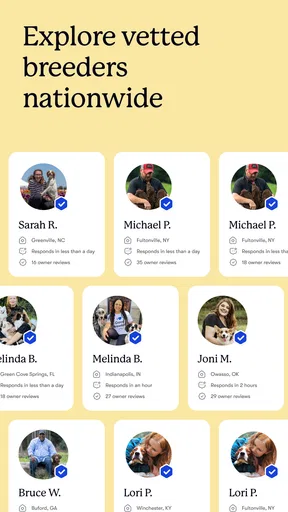
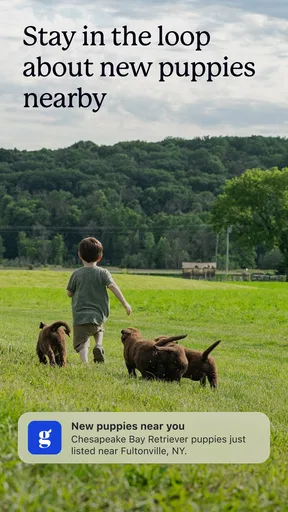
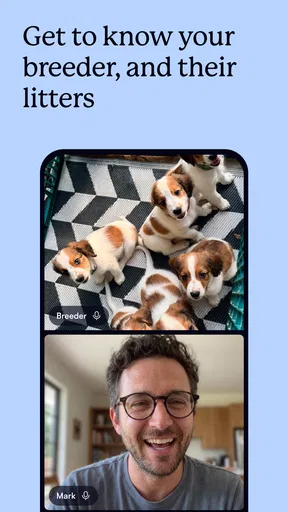
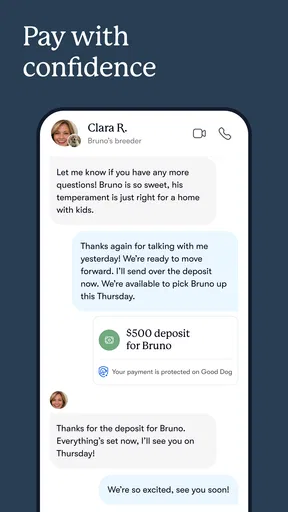
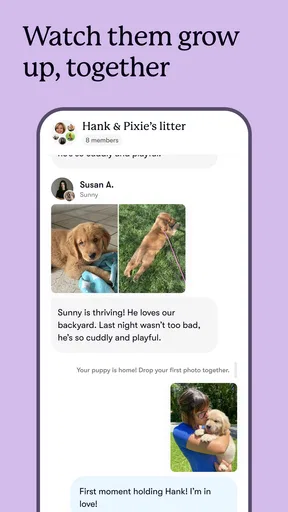
 Analysis by AppCompare
Finding a puppy can feel exciting right up until the search becomes a maze of listings, messages, questions, and uncertainty. Good Dog: Find Your Puppy is a free lifestyle app from Good Dog, Inc. built around one clear purpose: helping people work with trusted breeders. I approached it as a first-time puppy buyer would, looking for a calmer way to begin rather than jumping straight into random online advertisements.
My overall impression is that the app is most useful as a starting point for an informed search. It does not remove the responsibility of checking a breeder, understanding a breed’s needs, or deciding whether a puppy is right for your household. What it can do is make the early discovery stage feel more organized. That distinction matters. If you expect a one-tap puppy purchase, you may find the process slower than expected. If you want help narrowing your search and preparing better questions, the app has a much more convincing role.
What the first visit feels like
The app belongs in the lifestyle category, but I would describe it more specifically as a puppy-search companion. Its store summary is “Work with trusted breeders,” and that wording gives a fair indication of the intended relationship: you are not simply browsing products, and the breeder is not just a name on a card. The useful outcome is a better conversation between a prospective owner and a breeder.
That makes the experience different from ordinary classified listings. A general marketplace may give you a large stream of advertisements, while this app is designed to make the search feel more deliberate. I found that mindset helpful because it encouraged me to think about fit, timing, and questions instead of focusing only on photographs or availability.
The app is free, rated for Everyone, and works on devices running Android 8.0 or later. It was released on February 3, 2023, and the current version is 3.6.9. Those details make it accessible to many people using an older Android phone, although the exact feel can still depend on the device and operating system version.
Its reception is encouraging without being a reason to skip your own judgment. Good Dog has a 4.7 average from around 6.7 thousand ratings, with roughly 578 written reviews and over 100 thousand installs. I read those figures as evidence that the app has found a real audience, not as proof that every breeder or every search will be equally suitable.
Before installing, I would decide what you actually need from the search. Are you researching breeds, looking for a breeder in a practical location, or ready to start a conversation? The answer changes how patiently you should use the app. A person still comparing apartment-friendly breeds needs a different first step from someone who has already chosen a breed and is planning for a puppy’s arrival.
Worth Reading Before You Choose

Flipboard Shows What News Apps Must Do Beyond the Feed

Switching to Android Auto Means Rethinking Your Driving Routine

Google Calendar Makes a Crowded Week Easier to Manage

Ludo King Makes the Most of the Minutes Between Plans

Baby Panda World Brings Quick Play to Modern Phones, but Its Game Library Feels Busy

ESPN’s Live Game View Makes Following Close Games Easier
Setting up a useful search instead of browsing aimlessly
The first setup is easier if you have a short list of preferences ready. Think about breed or breed group, your location, the size and energy level you can manage, and how soon you are realistically prepared to bring a dog home. You do not need perfect answers, but having them in mind prevents the app from becoming an endless scroll through attractive faces.
I also recommend writing down your non-negotiables before contacting anyone. Examples include the time you can spend on training, whether children or other pets live with you, how far you can travel, and whether you are prepared for grooming or high exercise needs. These are not merely personal preferences. They help you recognize when a promising listing is actually a poor match.
Good Dog, Inc. has made the product feel approachable for people who may be unfamiliar with breeder terminology. Still, the app cannot decide your household’s limits for you. A search can show possibilities, but it cannot tell whether a particular dog’s temperament, care requirements, or expected adult size fits your daily routine. I treated every result as an invitation to investigate, not as a recommendation that ends the investigation.
One practical tip is to use the app in two passes. During the first pass, save or note the breeders and breeds that appear relevant without trying to make a final decision. During the second, compare them using the same questions. This avoids being swayed by the first appealing profile and gives you a clearer way to spot differences in communication, timing, and suitability.
The first meaningful success is a prepared conversation
For me, the first real success is not finding a puppy photo I like. It is reaching a point where I can contact a breeder with a clear explanation of my home, availability, and expectations. That is where the app’s central idea becomes practical. The search becomes useful when it leads to a thoughtful exchange rather than a quick impulse.
A simple message can include the breed you are considering, why it appeals to you, your living situation, your experience with dogs, and the kind of support you hope to receive. I would also ask about health-related documentation, socialization, expected timing, and what happens after the puppy goes home. The app may help you discover a breeder, but the quality of your questions still shapes the quality of the next step.
There is an important trade-off here. A structured search can reduce noise, but it may also make you feel that the process should be immediate. Responsible puppy placement often involves waiting, follow-up questions, and honest discussion about whether a match is appropriate. I consider that friction a useful safeguard rather than a flaw, provided you understand that the app is a bridge to a relationship, not an instant checkout.
Here is a realistic everyday scenario. Imagine that I work from home but have several busy afternoons each week and live with another dog. I might begin by looking for a breed whose exercise and social needs fit that schedule, then compare breeders based on how clearly they discuss temperament and preparation. After contacting a few, I would use the replies to refine my choice. A breeder who asks about my existing dog and routine may be more useful to me than one who only discusses availability.
That workflow is more valuable than simply collecting names. It turns the app into a decision aid: search, compare, ask, reflect, and only then continue. I found that sequence reassuring because it leaves room to change direction before making a serious commitment.
Where first-time users may become confused
The biggest possible misunderstanding is assuming that “trusted breeders” means you can stop doing your own checks. I would not use any app as a substitute for direct verification. Before committing to a puppy, I would want clear answers about health testing, contracts, pickup or delivery arrangements, veterinary care, return expectations, and the breeder’s approach to matching puppies with homes.
Another source of confusion is the difference between interest and availability. A breeder may be a good fit even when there is no puppy ready immediately. Conversely, an available puppy may be the wrong choice if the timing or household match is poor. I recommend separating those questions: first ask whether the breeder and breed suit you, then ask what timing is realistic.
Location can also be misleading. A result that appears convenient on a map may still involve travel, scheduling, or arrangements that require careful planning. I would confirm the practical details directly instead of assuming that a nearby result means a simple handover.
Photos deserve restraint as well. Puppy images are emotionally powerful, and that can make it easy to overlook important information. I found it helpful to read the written details first, make notes, and only then look at images. This small change keeps appearance from dominating the decision.
Some users may also wonder whether the app is suitable for adoption rather than breeder searches. Its stated focus is working with trusted breeders, so I would choose it when I specifically want that route. If your priority is shelter adoption, rescue organizations, or adult dogs, a dedicated rescue service may be a better first destination. That is not a weakness in this app; it is a matter of choosing the right tool for your goal.
Three habits that make the search more reliable
My first useful habit is keeping a comparison note outside the app. For each breeder, I would record the same points: location, breed, expected timing, answers to health questions, communication quality, and anything that does not fit my household. This prevents several attractive conversations from blending together and makes emotional decisions easier to review calmly.
The second is to ask the same question in different ways when something is unclear. For example, instead of accepting a broad statement about socialization, ask what the puppies experience, how often, and how the breeder prepares families to continue that work. Specific answers are easier to evaluate than reassuring phrases.
The third is to treat silence or vagueness as information about fit. A delayed reply does not automatically mean a breeder is unsuitable, but repeated difficulty getting basic questions answered should change how much confidence you place in the relationship. The app can help you begin contact; your observations during contact are what help you decide whether to continue.
A less obvious benefit of this approach is that it protects you from changing your standards mid-search. When one breeder has an appealing puppy available, it is tempting to excuse missing details that would have concerned you elsewhere. A written checklist keeps the process consistent and makes the eventual choice easier to explain to the other people in your home.
How it compares with familiar alternatives
Compared with a broad classifieds platform, Good Dog feels better suited to people who want a guided starting point rather than the largest possible collection of advertisements. A general marketplace can be useful when you are searching widely or looking for many types of pets, but it often leaves more of the screening work to you. This app’s value is in focusing the search around breeder relationships.
Compared with searching the open web, the app is less scattered. Web searches can uncover useful breed-club pages, local recommendations, and individual breeder websites, but they can also produce inconsistent information and a lot of repetition. I would use Good Dog for discovery, then use independent research and direct questions to deepen my understanding.
Compared with rescue-focused apps and shelter websites, it serves a different purpose. Those alternatives are stronger if you want to adopt an adult dog, support rescue work, or meet animals already in a shelter system. Good Dog is the better fit when you have decided to explore a breeder path and want a more focused way to begin.
There is also a personal trade-off between convenience and control. A specialized app can make the first stage less overwhelming, but a highly independent researcher may prefer building a search from breed clubs, veterinary advice, and local referrals. I would not insist that every dog buyer needs this app. I would recommend it to someone who wants structure but still intends to verify everything carefully.
Who should use it, and who should wait
I think the app is particularly helpful for first-time owners who feel unsure about where to start. It gives the search a shape and encourages a move from browsing toward conversation. It can also suit experienced owners who know the breed they want but would like a more organized way to identify and compare breeder options.
It is less suitable for someone who has not considered the responsibilities of dog ownership yet. If you are still deciding whether you have enough time, money, space, and patience for a dog, begin with breed research and an honest household discussion. Installing the app first may make the process feel more immediate than your preparation really is.
I would also suggest waiting if your only goal is to find the cheapest or fastest available puppy. The best match may require patience, travel, or a change in your preferred breed. A tool centered on trusted breeder relationships is unlikely to be satisfying if your decision is based only on speed or price.
What to do after the first contact
Once you have a promising conversation, I would slow down rather than rushing to reserve anything. Review the answers with everyone who will share responsibility for the dog. Discuss feeding, training, insurance or veterinary costs, daily exercise, grooming, holidays, and the first few weeks at home. The app helps with the beginning, but preparation determines whether the transition is manageable.
I would also keep communication in one place and save important details in writing. Ask for clarification whenever a term or expectation is vague. If the breeder’s answers do not match what you need, returning to the search is better than trying to force a poor fit. The emotional appeal of a puppy can make that difficult, which is exactly why a slower process is valuable.
For a first-time user, my recommended path is simple: install the free app, define your household needs, browse with a short list of criteria, compare several possibilities, and begin with a respectful message rather than a purchase mindset. Use the replies to judge communication and compatibility. Then verify the practical and health-related details independently before making a commitment.
The app works best as a careful first step, not as a shortcut around careful ownership. That is why I would recommend it to a friend who wants help finding a breeder but is willing to stay involved in the decision. Good Dog, Inc. has created an accessible starting point with a clear audience, and its 4.7 average suggests that many users find that focus worthwhile. My honest advice is to use its organization and discovery benefits, while keeping your own questions, research, and judgment firmly in charge.
Pros
- Detailed breed profiles help match puppies with your lifestyle.
- Search filters make it easier to narrow down suitable dogs.
- Useful guidance supports first-time puppy owners.
- Listings can help discover breeders and adoption opportunities.
- Clean interface makes browsing puppies quick and straightforward.
Cons
- Availability and listing quality may vary by location.
- Some listings may require contacting sellers for complete details.
- The app cannot guarantee breeder standards or puppy health.
- Popular puppies may receive many inquiries and disappear quickly.
- Additional ownership costs are not always clear from listings.
FAQs for Good Dog: Find Your Puppy
What is Good Dog: Find Your Puppy?
Good Dog: Find Your Puppy is an app designed to help people search for and discover puppies that may be available for adoption or purchase, depending on the listings and region. It typically presents dog profiles with information such as breed, age, location, photos, and contact details. The app can make browsing easier, but users should still research each listing and verify the source before making any decision.
Can I adopt a puppy directly through Good Dog: Find Your Puppy?
The app may help you find puppies and connect with breeders, shelters, or other providers, but the exact adoption or purchase process depends on the individual listing. In most cases, you will need to contact the organization or seller, ask questions, complete an application, and possibly arrange an interview or meeting. Good Dog should be treated as a discovery and communication tool rather than a guarantee of availability.
Is Good Dog: Find Your Puppy safe to use?
Good Dog: Find Your Puppy can be useful for discovering potential pets, but users should remain careful when communicating with anyone online. Check breeder or shelter information, request veterinary records, confirm vaccination details, and avoid sending money through unusual payment methods. Never rely only on photos or a short profile. Whenever possible, visit the facility or arrange a trusted video call before committing.
What information should I check before choosing a puppy?
Before choosing a puppy, review its age, health history, vaccination and deworming records, breed information, temperament, location, and expected adult size. Ask whether the puppy has received veterinary care and whether the parents have been screened for inherited conditions. You should also understand the total cost, return or rehoming policy, transportation arrangements, and any responsibilities required after bringing the puppy home.
Is Good Dog: Find Your Puppy free, and what devices support it?
Availability, pricing, and supported features can vary according to the version of Good Dog: Find Your Puppy and the country where you use it. The app may be free to download while certain services, listings, or transactions involve separate costs. Before installing, check the official Google Play Store or Apple App Store page for current device compatibility, permissions, subscription details, and regional limitations.


